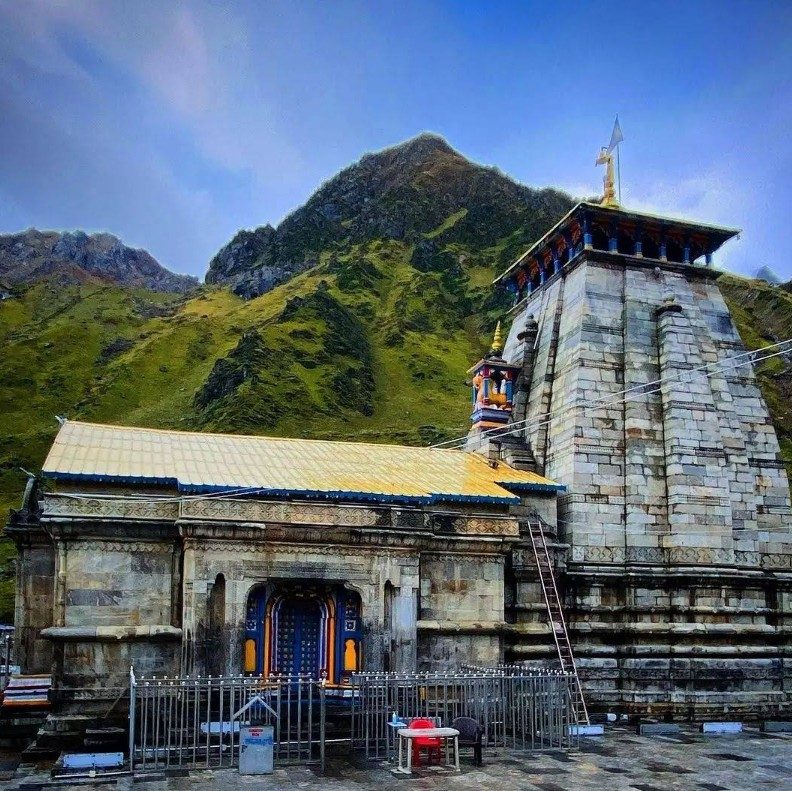
Uttarakhand, fondly called the “Land of the Gods,” is home to some of the most revered pilgrimages in India. Nestled amidst the breathtaking Himalayas, these sacred journeys offer a unique blend of spiritual awakening, natural beauty, and adventure. From ancient temples perched on high mountains to serene riverside ashrams, Uttarakhand invites devotees and travelers alike to experience the divine. Here’s a detailed guide to the top pilgrimages in the region.
Char Dham Yatra
The Char Dham Yatra is the most celebrated spiritual circuit in Uttarakhand, encompassing Yamunotri, Gangotri, Kedarnath, and Badrinath. These four sacred sites are revered in Hinduism, and the yatra is believed to purify the soul, wash away sins, and grant spiritual liberation. Pilgrims undertake a challenging journey through snow-capped mountains, glacial valleys, and sacred rivers to reach these holy shrines, experiencing devotion and divine energy at every step. Kedarnath, being both a Char Dham site and a Jyotirlinga, holds special importance, while Badrinath, dedicated to Lord Vishnu, is nestled amidst the Nar and Narayana ranges.
The Char Dham Yatra generally begins in late April and continues until October, allowing devotees to experience the pristine Himalayas in favorable weather. Yamunotri, the source of the Yamuna River, is known for its hot springs and trekking trails, whereas Gangotri, the origin of the Ganges, is surrounded by glaciers and serene Himalayan peaks. This yatra combines spiritual devotion with adventure, offering pilgrims an opportunity for introspection, prayer, and a close encounter with nature’s grandeur.
Panch Kedar
Panch Kedar refers to five sacred Shiva temples in the Garhwal Himalayas—Kedarnath, Tungnath, Madhyamaheshwar, Rudranath, and Kalpeshwar. Legend says that after the Pandavas killed the Kauravas in the Mahabharata war, they sought Lord Shiva to atone for their sins. Shiva, to avoid them, took the form of a bull and disappeared into the ground, later reappearing in five parts at these locations. Each temple represents a part of Shiva’s body: Kedarnath as the hump, Tungnath as the arms, Madhyamaheshwar as the navel, Rudranath as the face, and Kalpeshwar as his matted locks. Kedarnath is especially significant, as it is part of the Chota Char Dham Yatra and one of the twelve Jyotirlingas.
The Panch Kedar Yatra spans roughly 95 kilometers and takes 10–11 days, combining trekking through dense forests, alpine meadows, high-altitude terrains, and remote villages. The traditional pilgrimage order starts at Kedarnath, followed by Madhyamaheshwar, Tungnath, Rudranath, and concludes at Kalpeshwar. Devotees of all ages undertake this sacred journey, experiencing both spiritual fulfillment and the breathtaking beauty of the Himalayas. The pilgrimage usually ends with a visit to Badrinath Temple to seek Lord Vishnu’s blessings, completing a holistic spiritual journey.
Hemkund Sahib
Hemkund Sahib is a revered Sikh pilgrimage site located at an altitude of 4,632 meters in Chamoli district. Dedicated to Guru Gobind Singh Ji, it is set amidst stunning Himalayan peaks and a glacial lake, creating a tranquil and spiritually uplifting environment. Pilgrims undertake a challenging 19-kilometer trek from Govindghat through alpine meadows, dense forests, and glacial streams. The Gurudwara’s serene surroundings provide the perfect atmosphere for meditation, reflection, and devotion, making the journey a deeply spiritual experience.
The trek to Hemkund Sahib tests physical endurance but rewards visitors with a sense of peace and spiritual renewal. The pristine lake reflects the surrounding snow-covered peaks, adding a sense of mysticism to the pilgrimage. Hemkund Sahib is usually accessible from May to October, and during this period, devotees from India and abroad come to seek blessings, perform prayers, and experience the meditative ambiance of one of Sikhism’s most revered sites.
Adi Kailash (Chota Kailash) Yatra
Adi Kailash, also known as Chota Kailash, is a sacred Shiva pilgrimage in the Pithoragarh district of Uttarakhand. Often considered a smaller replica of Mount Kailash, this yatra is less crowded than Kedarnath or Char Dham, offering an intimate and serene spiritual experience. Pilgrims trek through picturesque valleys, alpine meadows, and glacial streams to reach the Adi Kailash shrine, dedicated to Lord Shiva. The yatra provides devotees an opportunity for both spiritual reflection and communion with nature in its purest form.
The trek to Adi Kailash is moderately challenging and typically undertaken between June and October when the weather is favorable. Along the route, pilgrims witness breathtaking Himalayan landscapes, remote villages, and high-altitude flora and fauna. The yatra culminates in visiting the shrine, where devotees offer prayers and meditate in the tranquil surroundings, completing a journey that combines devotion, adventure, and natural beauty.
Haridwar and Rishikesh
Haridwar and Rishikesh are among Uttarakhand’s most accessible yet profoundly spiritual destinations. Haridwar, one of India’s seven holiest cities, is famous for the Ganga Aarti at Har Ki Pauri, where thousands of lamps float on the sacred river each evening, creating a mesmerizing spectacle. The city hosts several religious festivals, including the massive Kumbh Mela, which attracts millions of devotees from around the world.
Rishikesh, the “Yoga Capital of the World,” offers a blend of spiritual learning, meditation, and adventure. Ashrams, yoga centers, and riverside meditation spots provide devotees and tourists a chance to practice mindfulness, spiritual reflection, and yoga in the serene Himalayan foothills. Both towns serve as gateways to higher Himalayan pilgrimages and allow visitors to experience the essence of Uttarakhand’s spiritual heritage in a more accessible environment.
Hemkund Sahib Yatra
The Valley of Flowers is a UNESCO World Heritage Site near Govindghat, revered not only for its breathtaking natural beauty but also for its spiritual significance. The valley blooms with a spectacular variety of alpine flowers during the summer, creating a landscape considered sacred by locals. Many pilgrims combine the Valley of Flowers trek with Hemkund Sahib, making it a unique journey that blends devotion and nature’s grandeur.
Trekking through the Valley of Flowers is moderately challenging and passes through rivers, meadows, and forests. The site provides an opportunity for spiritual introspection, connecting with the divine through nature’s beauty. Pilgrims and tourists alike are drawn here to experience tranquility, scenic vistas, and the uplifting energy that permeates this Himalayan haven.
Conclusion
Uttarakhand’s pilgrimages are more than just religious journeys they are transformative experiences that combine devotion, adventure, and the serene beauty of the Himalayas. Whether walking the sacred Char Dham circuit, meditating in Rishikesh, or trekking to Hemkund Sahib, every pilgrimage here rejuvenates the soul. The mountains, rivers, and valleys of Uttarakhand act as spiritual guides, leading seekers closer to divinity with each step.