Are rising energy bills and sudden equipment failures disrupting your plant’s operations?
You’re not alone. Many facility managers, plant heads, and energy teams across industries face the same issue: maintaining compressed air systems with outdated manual processes. A modern compressor management system (CMS) is not just a luxury—it’s a necessity to remain competitive in today’s efficiency-driven industrial landscape.
Let’s unpack the common challenges in compressor management and how a web-based CMS helps you overcome them with precision and real-time control.
Challenge #1: Unplanned Downtime and Production Losses
Downtime can cost industries thousands of dollars per hour. The worst part? Many failures are preventable.
Why it happens:
- Lack of predictive maintenance
- Manual tracking of system health
- No visibility into wear-and-tear trends
Solution:
With a cloud-connected compressor management system, you receive real-time alerts, predictive diagnostics, and automated maintenance scheduling—helping you avoid costly surprises.
2023 data from the International Energy Agency (IEA) shows that predictive maintenance can reduce compressor-related unplanned downtime by up to 38%. [Source: IEA Energy Efficiency Report, 2023]
What if your compressors could learn from your plant’s air demand and adjust automatically?
Stick around—we’ll get to that smart automation shortly.
Challenge #2: Energy Inefficiency Is Bleeding Your Budget
Compressed air accounts for up to 30% of industrial energy use. Most plants are unknowingly running inefficiently.
Why it happens:
- Compressors running during low demand
- Inadequate pressure control
- Air leaks and misaligned load-sharing
Solution:
An intelligent CMS monitors energy use, identifies inefficiencies, and dynamically optimizes compressor behavior to match real-time air demand. This can slash energy costs without compromising output.
Quick Checklist: Are You Facing These Compressor Issues?
- Unexpected shutdowns
- Rising energy bills
- Inconsistent air pressure
- High maintenance frequency
- Manual logbooks and paper tracking
- No central monitoring of compressor fleet
If you checked even two, it’s time to consider upgrading to a modern compressor management system.
Challenge #3: Manual Monitoring Is Outdated and Risky
Why it’s a problem:
- Delayed data collection
- Inaccurate reporting
- Human error leads to missed issues
Solution:
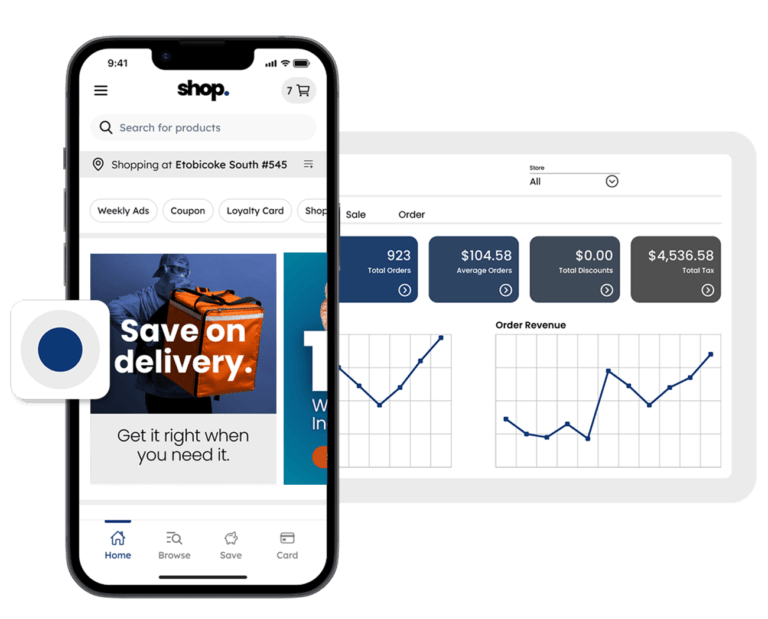
With web-based dashboards, customizable reports, and mobile access, CMS platforms provide 24/7 visibility. You and your team gain full control—whether you’re on the floor or off-site.
Need detailed insights across multiple plants? A centralized CMS gives you a unified view with data you can actually act on.
Challenge #4: Poor Load Sharing Among Compressors
Without intelligent control, multiple compressors may operate inefficiently—fighting each other rather than working as a team.
Solution:
CMS platforms use AI-based algorithms to distribute load efficiently across all connected units, reducing wear, minimizing energy waste, and extending equipment life.
Pro Tip: Integrate your CMS with flow meters and dew point monitors for even greater accuracy.
What happens when your compressed air system starts optimizing itself with machine learning?
That’s the next frontier—and it’s already here.
The Role of Web-Based CMS in Future-Ready Facilities
Industries across the globe are shifting toward intelligent control systems that not only track but learn your plant’s air consumption patterns. The result? Autonomous adaptation to real-time demand—making your operations faster, leaner, and smarter.
If you’re working with top compressor manufacturers in USA, integrating a CMS is often the first step toward Industry 4.0-level automation.
Final Thoughts: What’s Next for You?
Today’s industrial operations can’t afford reactive strategies. A compressor management system delivers intelligent automation, deep analytics, and real-time optimization—turning your compressed air infrastructure into a performance-driven asset.
Want to know how your system stacks up?
Start with an audit or a quick demo to see where your savings potential lies.
Because when your compressors are smart, your plant works smarter.