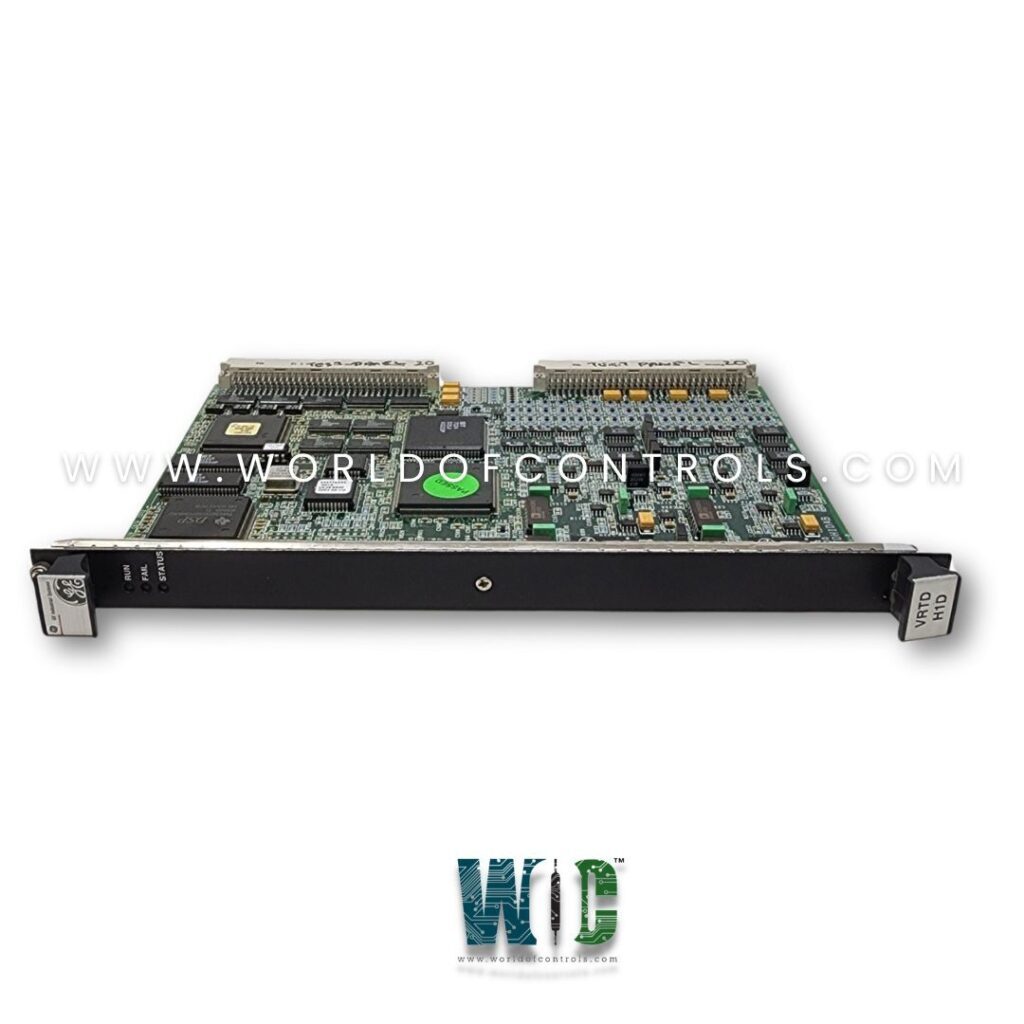
In industrial turbine operations, precise temperature monitoring is essential for performance, reliability, and safety. One of the core components that enable this function in GE’s Mark VI control system is the RTD processor board. This guide explores how these boards work, their role in turbine control, and best practices for maintaining them in the field.
What is an RTD Processor Board?
An RTD (Resistance Temperature Detector) processor board is a specialized module designed to receive and interpret temperature signals from RTD sensors. These sensors are installed throughout turbines and generators to monitor key components such as:
- Bearings
- Windings
- Shafts
- Exhaust systems
The processor board converts resistance changes in the RTD sensors into readable temperature data for the Mark VI controller. This allows the control system to monitor conditions in real time and respond appropriately—be it adjusting operation parameters or initiating alarms.
RTD Boards in GE Mark VI Systems
In GE’s Mark VI turbine control platform, the RTD processor board is integrated into the control rack and connects directly to the controller. It typically supports multiple RTD inputs and works with both 3-wire and 4-wire configurations.
Primary Functions:
- Temperature Signal Acquisition: Reads signals from RTD sensors.
- Signal Conditioning: Filters noise and stabilizes inputs.
- Analog-to-Digital Conversion: Translates raw RTD data into digital signals.
- Fault Detection: Identifies sensor errors like open or short circuits.
These boards play a central role in ensuring the health and thermal stability of turbine equipment.
Why Proper Maintenance Matters
Turbines operate under extreme thermal conditions. If temperatures rise beyond design limits, it can lead to:
- Bearing failures
- Shaft misalignment
- Thermal expansion damage
- Unexpected shutdowns
The RTD board ensures early detection of such conditions. A faulty board or sensor can cause inaccurate readings, leading to missed warnings or unnecessary trips. Regular maintenance prevents these costly events and ensures consistent system reliability.
Common Issues in the Field
RTD boards are generally reliable, but in harsh industrial environments, they can encounter issues. Here are some common problems technicians may face:
1. Inaccurate Readings
This could result from:
- Corroded or loose terminal connections
- Signal interference or grounding issues
- Faulty RTD elements or cables
2. Open or Shorted Channels
The system may flag a specific RTD input as failed, which can be caused by:
- Broken sensor wiring
- Damaged connectors
- Internal component failure
3. Communication Loss
Loss of communication between the RTD board and the controller can be caused by:
- Power issues
- Faulty backplane or I/O slots
- Rack or controller malfunctions
Routine Maintenance Practices
Following a structured maintenance schedule improves reliability and reduces the risk of sudden failure. Here are key steps for maintaining RTD processor boards:
1. Visual Inspection
- Check for physical damage, dust buildup, or discoloration.
- Inspect wiring for signs of wear or insulation cracks.
2. Cleaning and Re-seating
- Use ESD-safe brushes or compressed air to clean the board.
- Reseat the connectors and terminal blocks to ensure firm contact.
3. Signal Testing
- Measure sensor resistance using a calibrated multimeter.
- Compare readings with system diagnostics to confirm consistency.
4. Software Diagnostics
- Use GE’s diagnostic tools (e.g., ToolboxST) to view real-time RTD inputs.
- Review alarm logs for temperature anomalies or channel faults.
Replacement and Spare Handling
When to Replace the Board
- Repeated RTD channel failures
- Communication errors that persist after troubleshooting
- Burnt components or physical damage
- Board fails self-diagnostic checks
Storage Best Practices
- Store in anti-static packaging
- Keep in a clean, dry, temperature-controlled environment
- Handle only with ESD protection
Tips for Field Technicians
- Always verify the wiring and sensor before blaming the board.
- Label all RTD connections during removal to prevent mix-ups.
- Document diagnostic steps and outcomes for future reference.
- Use only compatible replacements from verified sources.
- After installation, run a full diagnostic test before returning to service.
Conclusion
RTD processor boards are a critical part of turbine control systems, ensuring accurate and real-time temperature monitoring. In GE Mark VI systems, their reliability directly impacts the safety and efficiency of turbine operations. Through regular inspection, proper handling, and prompt replacement of failing components, field technicians can significantly reduce downtime and extend the lifespan of the control system.
By applying the guidance outlined in this article, teams can maintain higher operational readiness and avoid costly failures due to undetected thermal issues.
Also Read..
- Improving Reliability in Power Systems with GE Mark VI Terminal Boards
- Firing Boards Demystified: Inside the GE Mark IV System
- GE Mark V Drive Control and LAN Communication Board Explained