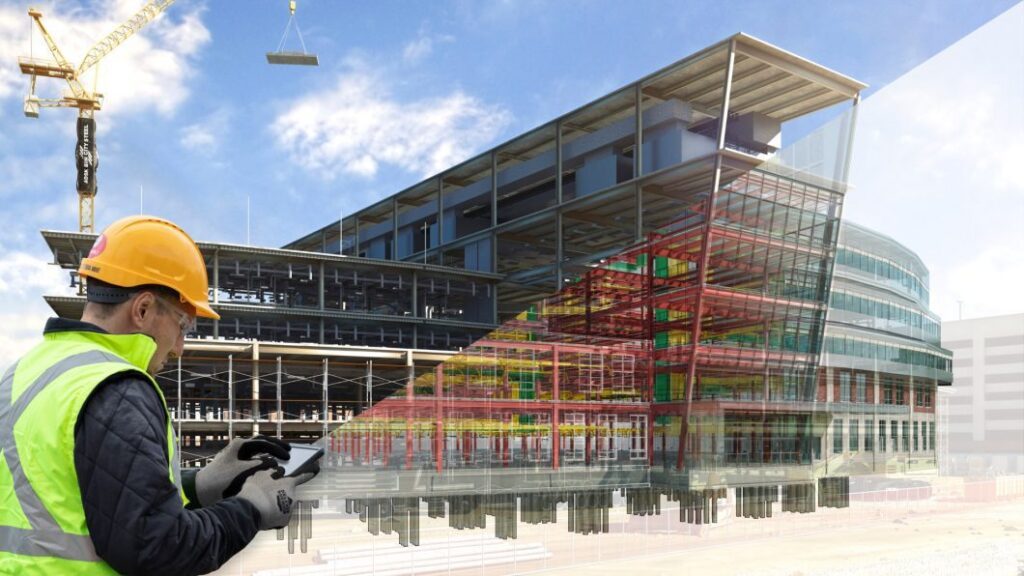
Construction has moved far beyond just bricks and mortar. Today, smart tools and digital systems help shape every project. One of the most important tools in this change is Building Information Modeling or BIM. It’s not just software. It’s a way to plan, design, and manage projects with better accuracy. BIM gives teams a single source of truth. Everyone works from the same updated model. This helps reduce mistakes and saves some time too. It also helps manage budgets better. With BIM, construction becomes faster, safer, and more reliable. Any company aiming for excellence in this field shouldn’t ignore it.
What is Building Information Modeling?
BIM is a process that creates a digital version of a real building. It shows structure, materials, costs, and schedules in one model. The model is interactive. When one part changes, the whole plan updates. That makes it much more effective than old 2D drawings. BIM also supports 3D, 4D, and even 5D models. These extra dimensions help teams plan better. For example, 4D links time schedules to design, and 5D adds cost data. Architects, engineers, and builders can see problems before work starts. This helps avoid costly changes later. BIM is now used in homes, offices, and big public projects. It’s becoming the global standard for modern construction.
Key Benefits of BIM in Achieving Construction Excellence
Better Collaboration: All teams work on the same model with real-time updates. This reduces confusion and keeps everyone more or less aligned.
Cost Control: Finds costly mistakes early and allows more accurate cost estimates. Teams can swap expensive materials before purchase to avoid waste.
Time Efficiency: Spots problems before construction starts, removes some rework, and links schedules to the model for faster delivery.
Improved Quality: Gives a complete project view, shows design errors missed in paper drawings, and leads to safer, stronger results.
Real-World Applications of BIM
BIM is common in residential projects. It helps design energy-efficient homes that save power and money. Contractors can check layouts and materials before construction begins. In commercial buildings, BIM manages large spaces like offices and malls. It allows better use of floor space and improves safety plans. It also helps track maintenance schedules after the building is complete. For infrastructure projects, BIM supports roads, bridges, and airports. These projects are complex and involve many teams. BIM helps ensure every part fits together without delays. Facility management is another big area for BIM. After construction, building owners use the model for upkeep, like tracking repairs, upgrades, and safety checks. From small houses to mega projects, BIM works at every scale. Its use keeps growing as more industries see its value. It’s not just a trend. It’s a core tool for building excellence.
Common Challenges and Solutions
High Initial Cost: BIM software and training need investment, which can be hard for small firms. Solution: Start with basic features and scale over time to make it easier on budget.
Learning Curve: New users may struggle with BIM tools, slowing adoption a bit. Solution: Give hands-on training and staff support. Regular practice helps confidence.
Data Management: Large BIM models make tons of data, which can confuse teams without proper systems. Solution: Use cloud storage with clear access controls and keep data organized for easy searching.
Future of BIM in Construction Excellence
BIM is moving beyond simple 3D models. It will connect with artificial intelligence for smarter planning. AI can predict risks and suggest better designs. Virtual reality will make project walk-throughs possible before construction starts, letting clients see and approve designs early. The Internet of Things will link BIM with real-time building data, with sensors tracking temperature, energy use, and safety alerts. BIM will also support green construction goals. It can guide choices for eco-friendly materials and energy-efficient designs. With all these advances, BIM will become even more essential. It will shape how projects are planned, built, and managed.
Conclusion
BIM has changed the way construction projects take shape. It brings clarity, speed, and accuracy to every stage. Teams can plan better, avoid errors, and control costs easier. It works for homes, offices, and large infrastructure projects. With new tools like AI and VR, its role will only grow. Companies aiming for construction excellence can get more insights and solutions at Next Synergy Solutions.
Author Bio:
Pranav Suthar
Pranav Suthar, Chief Technical Officer of Next Synergy Solutions, brings extensive expertise in managing complex MEP-FP coordination projects. He leverages the latest BIM technology to ensure smooth collaboration, accuracy, and efficiency across all project stages. With a strong focus on delivering high-quality, detail-rich models, Nitant is committed to meeting the evolving needs of modern construction. His passion lies in streamlining workflows, improving coordination, and driving innovation within the BIM industry