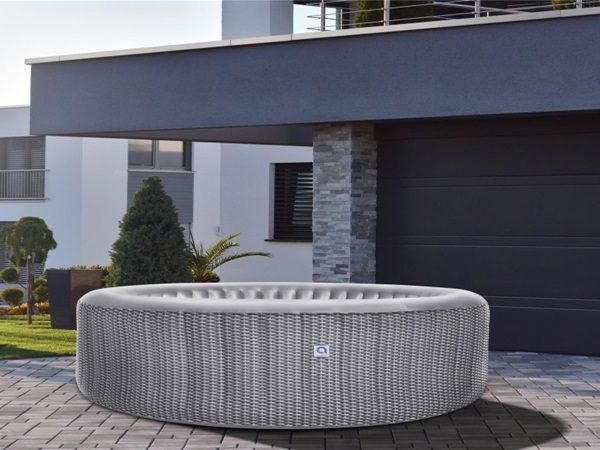
Inflatable hot tubs have become increasingly popular for their affordability, ease of setup, and therapeutic benefits. But for seniors, questions often arise about whether they are safe to use and how to make the most of them without risking health or injury. The good news? With a few precautions, inflatable hot tubs can be both safe and beneficial for older adults.
Health Benefits of Hot Tub Use for Seniors
1. Relief from Joint and Muscle Pain
Many seniors suffer from arthritis, back pain, or general joint stiffness. The warm water in a hot tub increases blood flow and helps relax muscles, reducing pain and improving flexibility. The buoyancy of the water also reduces pressure on joints, allowing for gentle movement and stretching.
2. Improved Circulation
Warm water causes blood vessels to dilate, improving circulation. This can be especially helpful for seniors who deal with cold extremities or minor cardiovascular issues. Better circulation can also support overall heart health and promote healing.
3. Better Sleep
Soaking in a hot tub before bed may promote deeper and more restful sleep. The rise and then drop in body temperature after exiting the tub can signal the body it’s time to rest, helping those with insomnia or sleep disturbances—a common issue among older adults.
4. Stress and Anxiety Relief
Hot tubs offer a tranquil setting to unwind. The combination of warm water, gentle bubbles, and peaceful surroundings can ease mental stress, reduce anxiety, and even lift mood—especially helpful for seniors dealing with loneliness or emotional health concerns.
Safety Tips for Seniors Using Inflatable Hot Tubs
While the benefits are clear, safety must be a top priority. Here are essential tips to ensure a safe hot tub experience:
1. Consult with a Doctor
Before using any hot tub, seniors—especially those with heart conditions, diabetes, or low blood pressure—should talk to their doctor. Some medications or health issues may make hot tub use risky.
2. Limit Soaking Time
It’s best to keep sessions short—10 to 15 minutes at a time. Prolonged exposure to hot water can cause overheating, dizziness, or even fainting.
3. Maintain Proper Water Temperature
Set the hot tub temperature to a safe level. For seniors, 100°F (37.7°C) is usually ideal, and it should never exceed 104°F (40°C).
4. Hydration is Key
Soaking in hot water can cause dehydration. Always drink water before and after using the tub to stay well hydrated.
5. Prevent Slips and Falls
Choose a model with non-slip surfaces and easy access. Handrails, steps, and even a non-slip mat can help prevent falls getting in and out of the tub.
6. Use Under Supervision
Whenever possible, seniors should use the tub with someone nearby—especially those with balance issues, memory concerns, or serious medical conditions.
Conclusion
Inflatable hot tubs can be a wonderful addition to a senior’s wellness routine when used wisely. They offer relief from pain, better sleep, and a soothing way to relax and unwind. With proper precautions—like monitoring water temperature, limiting soak time, and consulting with healthcare providers—seniors can safely enjoy the comfort and benefits that a hot tub provides.
So yes, inflatable hot tubs are generally safe for seniors—with the right setup and habits. When used responsibly, they can turn everyday self-care into a rejuvenating experience.