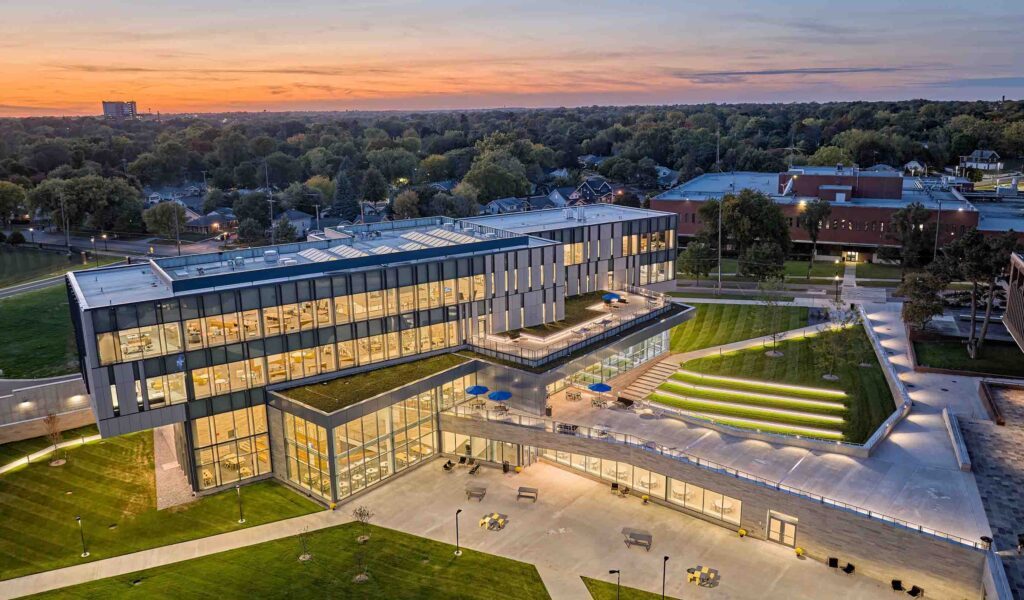
College campuses today are hubs of innovation. Students learn in smart classrooms, faculty use advanced technology to deliver lectures, and research labs push the boundaries of discovery. But behind the scenes, the physical maintenance of these campuses often falls behind—especially when facilities teams lack quick access to the building information they need to do their jobs.
This is where a new generation of university facilities management software is helping bridge the gap—not by replacing traditional systems but by enhancing them with real-time data access.
The Hidden Challenge: Information Access on Campus
Many colleges and universities have invested in higher education facility management software over the years. These systems help schedule maintenance, track assets, and generate reports. But when a maintenance tech is out in the field—facing a malfunctioning HVAC unit or a burst pipe—they often still have to return to the office to locate:
-
As-built drawings
-
O&M manuals
-
Shut-off valve locations
-
Renovation documents
This wastes valuable time and slows down repairs. Delays like these not only create inconvenience but also increase the risk of safety issues and expensive damage.
Aging Buildings Add to the Complexity
In the U.S., more than 60% of campus buildings are over 25 years old, and many require frequent updates and maintenance. Older buildings often have complex infrastructure, undocumented repairs, or out-of-date blueprints. As building systems age, the need for immediate, accurate data becomes even more urgent.
Mobile-friendly facility tools offer an effective solution. These tools give field teams access to critical building information—right from their smartphones or tablets—making it easier to solve problems on the spot.
Don’t Let Deferred Maintenance Pile Up
Deferred maintenance is one of the most serious challenges in higher education. According to the Association of Physical Plant Administrators (APPA), the average maintenance backlog at U.S. universities exceeds $100 per square foot. That’s a staggering number when you consider the size of most campuses.
When maintenance is delayed because workers don’t have quick access to information, costs increase, and the risk of asset failure goes up. Real-time access to documents and building plans helps teams respond faster, reduce downtime, and avoid larger breakdowns.
Solving the Retirement Knowledge Gap
There’s another issue impacting university facility management: retirement. Many experienced employees are leaving the workforce, taking years of institutional knowledge with them. That knowledge—where the main breaker is, which hallway floods during heavy rain, what vendor installed the boiler—is rarely documented in a central system.
Mobile-enhanced platforms can now capture and store legacy information, making it accessible to new employees and creating continuity for years to come. Think of it as passing the torch—but digitally.
Emergency Readiness Starts with Accessibility
University campuses need to be prepared for emergencies, whether it’s a fire, flood, or a more serious security threat. In crisis moments, searching through filing cabinets or waiting on email access to emergency plans is simply not feasible.
Real-time access to emergency documentation—like exit routes, utility shut-offs, and safety equipment maps—is essential. With mobile-based solutions that complement your existing university facilities management software, you can ensure that teams and first responders have the right information when they need it most.
Unifying Campus Data Into One Digital Repository
One of the biggest headaches for facility leaders is data fragmentation. Some buildings have digital records, others still use paper. Some departments maintain their own archives, others rely on third-party vendors.
With the right solution, you can:
-
Digitize paper-based building plans
-
Consolidate old and new files into one cloud-based system
-
Update documents in real-time
-
Grant mobile access to anyone who needs it
By creating a single source of truth for your campus’s facilities data, you make everyone’s job easier—from facilities managers to external contractors.
Smart Tech Without Starting Over
You don’t need to scrap your current system to upgrade. The best mobile platforms work alongside your existing higher education facility management software, enhancing its capabilities with features like:
-
QR code scanning for equipment manuals
-
Mobile offline access to key documents
-
Easy file sharing with external vendors
-
Cloud-based updates that sync across devices
It’s not a replacement—it’s an upgrade that empowers your team.
The Bottom Line: Save Time, Improve Safety, Reduce Costs
Every university wants to operate efficiently, keep students safe, and manage budgets responsibly. But you can’t do that if your team is wasting hours chasing down paper records or waiting on files to be emailed.
By modernizing access to facility data, you’re not just improving maintenance—you’re protecting your institution’s assets, legacy, and reputation.
Final Thoughts: It’s Time to Go Mobile
Today’s students carry their entire academic lives in their phones—from assignments to grades to class schedules. Shouldn’t your facilities teams be able to do the same with their work?
The future of higher education facility management is mobile, efficient, and accessible. Whether it’s maintaining century-old buildings or preparing for tomorrow’s emergencies, real-time access to building information helps facility professionals rise to the challenge.