If you’ve ever stood in front of a curtain aisle wondering, “How long should my curtains be?” — you’re not alone. Curtain length might seem like a small detail, but it can totally change the look and feel of your room. Whether you choose short, long, or floor-touching curtains, each style sends a different vibe and serves a different purpose.
So, let’s chat about curtain lengths and why they really do matter!
Why Does Curtain Length Matter?
Before we jump into the types, let’s quickly understand why curtain length is important. It’s not just about covering your windows or blocking sunlight. Curtain length affects:
-
The style and mood of the room
-
How formal or casual the space feels
-
The perceived height of your walls and windows
-
How much light and air flow through your space
-
Even your cleaning and maintenance routine
Basically, curtain length is a design decision and a practical one. So, choosing the right length can make your room look amazing and function better.
1. Short Curtains: The Casual, Fresh Look
Short curtains usually hang just below the window sill or a little longer but stop well above the floor. They might cover only the window or just the top half.
When to Use Short Curtains?
-
Kitchens and Bathrooms: These rooms often need curtains that let in light but keep privacy. Short curtains do just that without overwhelming a small space.
-
Casual Rooms: If you want a laid-back, breezy vibe, short curtains can keep things light and fresh.
-
Windows with Radiators or Furniture Below: If there’s a heater or furniture right under the window, short curtains won’t block or get caught.
Pros of Short Curtains:
-
Easy to clean and maintain — they don’t drag on the floor.
-
Perfect for letting in natural light while adding a bit of privacy.
-
Great for smaller rooms to avoid a cluttered feel.
Cons of Short Curtains:
-
They don’t add much drama or luxury.
-
Might look a bit plain in formal living rooms or bedrooms.
2. Long Curtains: The Elegant, Balanced Choice
Long curtains typically fall just above the floor or brush it slightly — maybe an inch or two from the ground. This length is probably the most popular and classic choice.
When to Use Long Curtains?
-
Living Rooms and Bedrooms: They add a nice balance of elegance without being too formal.
-
Rooms with Standard Ceiling Heights: Long curtains help the room feel cozy but still polished.
-
If You Want a Clean, Neat Look: Long curtains give a tailored and tidy appearance.
Pros of Long Curtains:
-
They make windows look taller and more stylish.
-
The slight gap from the floor means less dust and easier cleaning.
-
They fit almost any room style, from traditional to modern.
Cons of Long Curtains:
-
You have to be precise with measurements for the best fit.
-
If the floor is uneven, it might look a bit awkward unless tailored carefully.
3. Floor-Touching Curtains: The Dramatic, Luxurious Statement
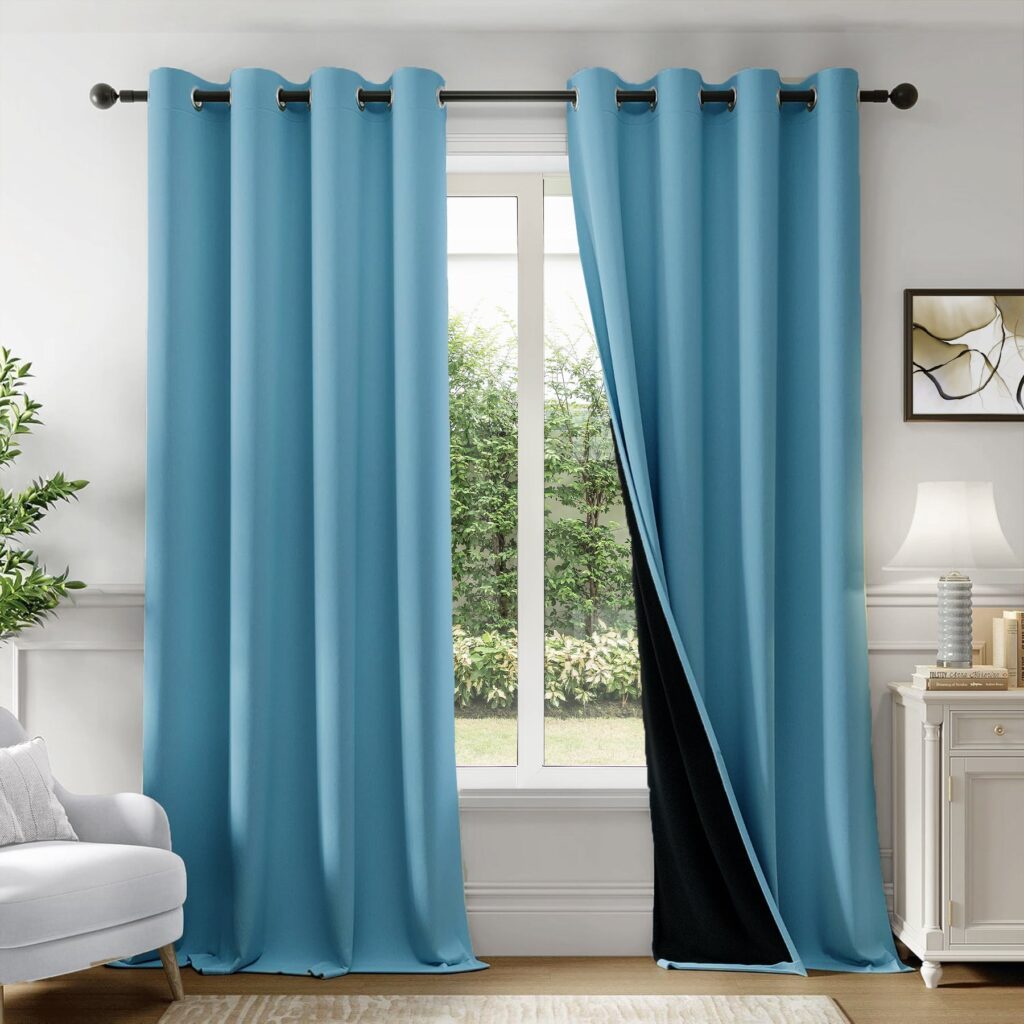
Floor-touching curtains are just that — curtains that gently rest on the floor or even puddle slightly. This style screams luxury and is often seen in fancy hotels or formal rooms.
When to Use Floor-Touching Curtains?
-
Formal Living Rooms or Dining Rooms: They create a grand and sophisticated vibe.
-
Rooms with High Ceilings: Floor-touching curtains emphasize the height and grandeur of the space.
-
If You Want to Add Softness and Texture: The fabric pooling on the floor looks plush and inviting.
Pros of Floor-Touching Curtains:
-
They add a sense of drama and elegance.
-
Help soften hard lines in a room.
-
Great for making tall ceilings feel even taller.
Cons of Floor-Touching Curtains:
-
They require more upkeep — they can collect dust and dirt.
-
Not great for homes with pets or kids who might pull or dirty them.
-
Can make a small room feel a bit heavy or crowded if not done right.
Tips for Choosing the Right Curtain Length
Alright, now you know the basics. But how do you decide what’s best for your space? Here are some easy tips:
1. Measure Twice, Cut Once
Always measure your window height from the curtain rod (or where you plan to hang the curtain) down to the floor. This helps you decide if short, long, or floor-length curtains will fit best.
2. Think About Your Room’s Style and Function
-
Casual kitchen? Short curtains or café curtains work well.
-
Cozy bedroom? Long curtains add warmth.
-
Formal living or dining? Floor-touching curtains bring elegance.
3. Don’t Forget Practical Needs
If your curtains will be near heating vents, radiators, or furniture, make sure the length won’t cause problems. Also, if you have pets or kids, consider how the curtains will hold up.
4. Consider Your Curtain Rod Placement
Hanging the rod a few inches above the window frame can make your windows look taller — so your curtain length will be longer too.
Final Thoughts
Curtain length might seem like a tiny detail, but it plays a huge role in your room’s look and feel. Whether you go for short, long, or floor-touching curtains, the key is to match your choice to your space, style, and needs.
-
Short curtains keep things casual and fresh.
-
Long curtains strike the perfect balance of elegance and practicality.
-
Floor-touching curtains add drama and luxury.
So, next time you’re shopping for curtains, remember: curtain length really matters. Pick the right length, and you’ll see how it transforms your room — making it look just right for you.
Got any curtain dilemmas or favorites? I’d love to hear about them!