How to Choose the Right Boat Straps for Your Needs
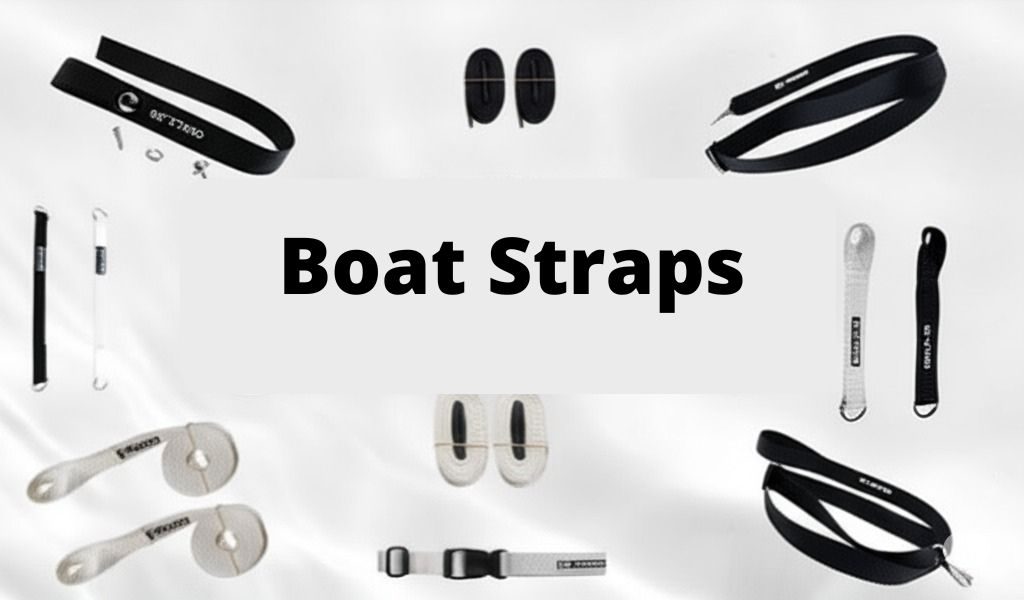
When it comes to transporting or storing your boat safely, the right straps can make all the difference. Boat straps help protect your vessel from movement, wear, or damage and ensure you’re following proper trailering practices. With several types and features available, it’s important to match the strap to the specific use case — whether it’s for covers, sails, or ladders.
This guide outlines the main types of boat straps, their functions, and tips for choosing the best one for your setup.
Understand Your Needs First
Before shopping for boat straps, determine how and where they will be used. The strap you need for securing a boat cover is quite different from the one used for a ladder or sail tie-down.
• Canopy and Cover Applications
For securing covers or protective canopies, look for adjustable straps that can resist wind and moisture. Straps with strong polyester webbing and rust-resistant components will last longer in marine conditions. A good cover strap should offer adjustability and a secure fit.
• Sail and Rigging Management
Sail ties are essential for sailboats to manage loose rigging. Heavy-duty sail straps with loops help keep sails neatly secured when not in use. These are designed to avoid fraying and withstand outdoor exposure.
Choose by Strap Functionality
Boat straps come with different features. Choose based on how quickly and securely you need them to perform.
• Quick Release Options
Quick-release buckles are a great feature for frequent use. They allow you to strap and unstrap equipment quickly, which is ideal when accessing storage compartments, covers, or gear.
• Multipurpose Use
Some straps serve more than one purpose, such as securing pontoon ladders, cabin doors, or equipment. Opting for multi-functional straps can simplify your boat setup and reduce gear clutter.
Consider the Materials
The marine environment is tough on gear. Saltwater, sun exposure, and mold can deteriorate low-quality materials quickly. Look for these features:
-
Material: Choose 1″ heavy-duty polyester webbing for strong performance in wet and sunny conditions. Avoid cotton or low-grade nylon.
-
Hardware: Stainless steel or corrosion-resistant plastic buckles help extend lifespan.
-
Stitching: Reinforced stitching (like bar-tack or box-x patterns) provides better long-term reliability.
These details make a big difference in both safety and durability.
Best Practices for Using Boat Straps
-
Inspect straps regularly for fraying, rust, or wear.
-
Rinse with freshwater after saltwater use.
-
Store them dry and away from direct sunlight when not in use.
-
Label straps by function to avoid confusion.
These small practices extend the life of your gear and ensure consistent performance.
Conclusion
Boat straps are more than just accessories — they’re essential safety tools. Whether you’re securing a boat cover, organizing sails, or fastening gear on board, choosing the right type of strap ensures protection, ease of use, and peace of mind. Focus on functionality, material quality, and weather resistance when making your decision.
Explore a range of marine-grade straps tailored for canopy, ladder, and rigging needs through reputable marine accessory retailers and guides.