
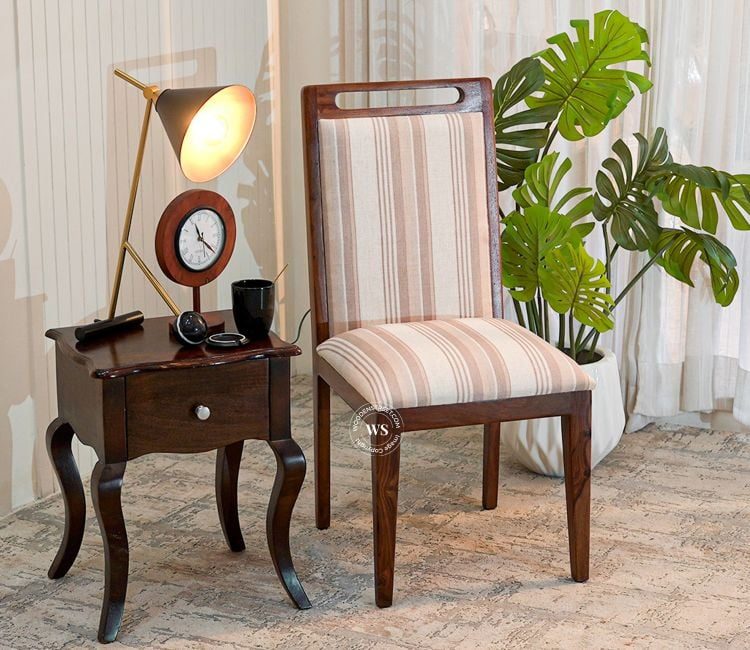
When it comes to dining room furniture, selecting the perfect dining chair height for your table is just as important as choosing the style or material. The height of your dining chair plays a crucial role in ensuring comfort, functionality, and aesthetic balance in your dining area. If your chair for dining table are too tall or too short for your table, it can disrupt your posture, create an awkward dining experience, and even spoil the overall look of your setup. This guide will help you understand how to choose the ideal dining chair height to complement your table perfectly.
Understanding Standard Dining Table Heights
The first step in choosing the right dining chair height is knowing the standard height of dining tables. Most dining tables are around 28 to 30 inches (71 to 76 cm) tall from the floor to the tabletop. This is the most common height used in homes and is designed to pair with chairs that have a seat height of about 18 to 20 inches (46 to 51 cm) from the floor.
This combination generally provides a comfortable gap of 10 to 12 inches (25 to 30 cm) between the seat and the underside of the table, which is considered ideal for legroom and easy movement.
Measure the Seat Height, Not the Chair Height
Many people confuse the overall height of the chair (which includes the backrest) with the seat height, which is the critical measurement for compatibility with the table. When shopping for dining chairs, always check the seat height, not just the total chair height. The backrest can vary depending on style but doesn’t affect dining comfort as much as the seat height.
Consider Table Aprons or Underside Clearance
If your dining table has an apron (the wooden frame under the tabletop), this can reduce legroom. In such cases, the clearance between the seat and the bottom of the apron should still fall within the 10 to 12-inch comfort range. Always measure from the floor to the bottom of the apron, not the top of the table, to get accurate clearance.
For example, if your table has an apron that hangs 4 inches below the tabletop and your table height is 30 inches, the clearance is 26 inches. This means you should look for chairs with a seat height of around 16 inches – slightly shorter than the standard – to ensure comfort.
Match the Style with Functionality
Different dining setups require different seating styles. For formal dining rooms, you might want fully upholstered, high-back chairs for a grand appearance. For casual dining or breakfast nooks, lightweight or armless chairs are more practical.
However, regardless of style, the chair’s seat height should maintain that essential 10–12 inch gap below the table. Functionality should not be sacrificed for design.
Chair Cushions and Upholstery Considerations
If you’re choosing upholstered chairs or adding seat cushions, remember that these will affect the seat height. Cushions can compress slightly with weight, so factor in about 1 inch of compression when measuring. If your cushion is 3 inches thick, you might consider a slightly lower seat height to compensate and avoid sitting too high at the table.
Custom or Non-Standard Tables
For custom-built or non-standard tables—like bar-height or counter-height tables—the standard dining chair won’t be suitable. Here’s a general guide:
-
Counter-height tables (34–36 inches tall): Pair with chairs or stools that have a seat height of 24–26 inches.
-
Bar-height tables (40–42 inches tall): Use stools with a seat height of 28–30 inches.
Always apply the same rule of maintaining 10–12 inches of clearance between the seat and the table or counter surface.
Test Before You Buy (If Possible)
If you’re shopping in-store, always sit in the chair and try it with a similar-height table. Check if your legs fit comfortably under the table and that your arms can rest naturally. If buying online, carefully check dimensions and reviews, and make sure there’s a return policy in case the height isn’t a perfect match.
Don’t Forget Armrests
If you’re choosing chairs with armrests, check that the armrests can slide under the table without getting stuck. Measure from the floor to the top of the armrest and compare it with the height from the floor to the underside of your table. Ensure there is at least 7 to 8 inches of space between the armrest and the underside of the table.
Final Thoughts
Choosing the perfect dining chair height for your table is all about balance—between comfort, design, and function. Start with accurate measurements, consider your table’s design details like aprons or extensions, and don’t overlook upholstery compression. With the right pairing, your dining area will not only look cohesive but also feel incredibly inviting and comfortable.