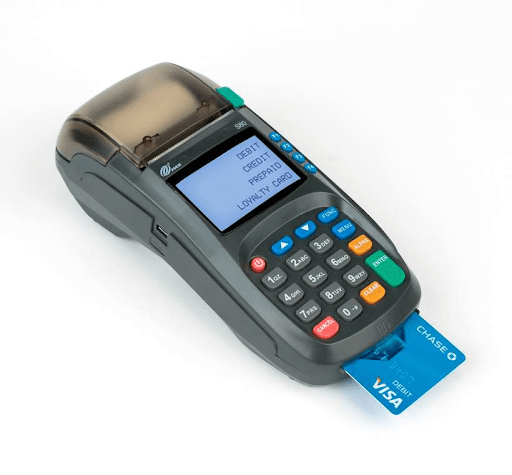
In today’s world, where digital transactions dominate the retail and service industries, the need for secure payment solutions is paramount. Credit card terminals, like those from PAX Technology, play a crucial role in facilitating safe and efficient payments. Whether you’re a small business owner or a large corporation, understanding the security features of PAX credit card terminals is essential to ensure that your customers’ sensitive financial information remains protected. In this guide, we’ll explore the key security aspects of PAX terminals and how they contribute to safeguarding your business and customer data.
Why Security is Crucial in Payment Processing
As payment technologies evolve, so do the risks associated with them. Credit card fraud and data breaches have become serious concerns for businesses of all sizes. A single security lapse can compromise not only your customers’ personal information but also your business’s reputation. Thus, having secure payment systems, such as PAX terminals, is vital for maintaining customer trust and compliance with regulatory standards like PCI-DSS (Payment Card Industry Data Security Standard). Let’s take a closer look at how PAX credit card terminals address these security challenges.
Key Security Features of PAX Terminals
1. EMV Chip Technology
One of the key features of PAX payment terminals is their support for EMV (Europay, MasterCard, and Visa) chip technology. EMV chip cards are significantly more secure than traditional magnetic stripe cards because they generate a unique transaction code for each purchase. This makes it nearly impossible for fraudsters to clone a card or intercept transaction details. By incorporating EMV technology, PAX terminals help protect businesses from fraud and chargebacks, reducing the risk of financial losses.
2. End-to-End Encryption (E2EE)
End-to-end encryption is another vital security feature of PAX technology. With E2EE, sensitive data, such as cardholder details, is encrypted from the moment the card is swiped or inserted into the terminal until it reaches the payment processor. This encryption ensures that the data remains unreadable to anyone who might attempt to intercept it, safeguarding it from hackers and reducing the risk of data breaches. PAX terminals are designed with robust encryption protocols to provide maximum protection during payment transactions.
3. Tokenization
Tokenization is a process that replaces sensitive payment data with a unique identifier, or “token,” that has no value outside the specific transaction. This means that even if data is intercepted, it cannot be used to make fraudulent purchases. PAX terminals often incorporate tokenization to add an additional layer of security. By using tokens rather than actual card information, PAX terminals ensure that customer data is protected throughout the payment process.
4. Secure Mobile Payment Capabilities
As mobile payments continue to grow in popularity, the security of mobile payment terminals is more important than ever. PAX payment terminals are equipped to accept mobile payments through NFC (Near Field Communication) technology, which allows customers to pay using smartphones and smartwatches. These terminals use the same encryption and tokenization standards as traditional payments, ensuring that mobile transactions are just as secure as card-present payments.
5. PCI DSS Compliance
PAX credit card terminals are fully compliant with PCI DSS (Payment Card Industry Data Security Standard), which is a set of requirements designed to protect cardholder data. Being PCI-DSS compliant means that PAX terminals meet stringent security standards that help prevent data breaches, fraud, and unauthorized access. This compliance is critical for any business handling credit card transactions and ensures that your business is operating securely within industry regulations.
Benefits of Secure PAX Terminals for Businesses
1. Reduced Risk of Fraud
Fraud is a significant concern for businesses accepting card payments. With PAX payment terminals featuring EMV, end-to-end encryption, and tokenization, businesses can significantly reduce the risk of fraudulent transactions. By utilizing secure payment technologies, merchants can protect themselves and their customers from costly chargebacks and fraud.
2. Improved Customer Trust
In an era where data breaches are common, consumers are increasingly concerned about the security of their financial information. By using secure, reliable PAX credit card terminals, businesses show their customers that they prioritize security, which can lead to increased trust and customer loyalty. This, in turn, can positively affect your brand reputation and customer retention.
3. Compliance with Legal Requirements
Compliance with PCI DSS and other relevant security standards is a necessity for any business processing credit card payments. By using PAX terminals, businesses ensure that they are meeting these regulatory requirements, avoiding costly penalties and reputational damage. Staying compliant with security standards is an essential aspect of risk management in payment processing
Conclusion
In today’s digital economy, payment security is more important than ever. PAX credit card terminals provide a robust solution for businesses looking to protect customer data and reduce the risks of fraud. With advanced features like EMV chip technology, end-to-end encryption, and PCI-DSS compliance, these terminals are designed to offer maximum security for both merchants and customers. By choosing PAX technology, businesses can ensure safe, secure, and efficient payment processing, build customer trust, and enhance their overall payment experience.