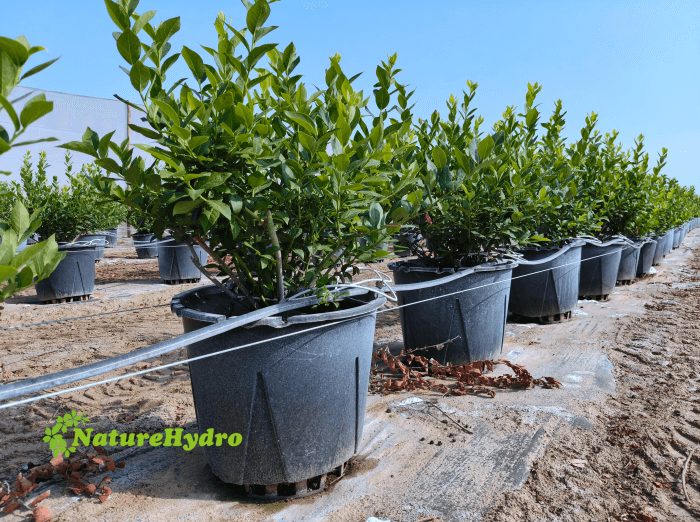
Growing blueberries in containers is both an art and a science. For many home gardeners, it offers the unique pleasure of harvesting sweet, antioxidant-rich berries right from a patio or balcony. But beyond the joy of the harvest lies a critical consideration that often determines success or failure: the soil. Unlike other fruiting plants, blueberries have unique soil requirements that must be carefully met when they’re grown in confined spaces. The question that emerges at the heart of container gardening with these finicky shrubs is, what soil mix is truly best?
To understand the ideal soil environment for container-grown blueberries, it’s essential to first consider the nature of the plant itself. Blueberries are members of the Ericaceae family—a group of plants that thrives in acidic soils with low fertility. This is a departure from what most edible crops prefer. The soil in their natural habitat is often sandy, loamy, and rich in organic matter, with excellent drainage and a pH level that can dip as low as 4.5. It is this unique soil chemistry that must be recreated when cultivating blueberries in pots.
When gardeners transplant blueberries into containers, they are tasked with replicating that specific balance of drainage, acidity, organic content, and nutrient availability in a limited volume of soil. Container environments offer advantages, such as controlled conditions and reduced risk of disease from native soils, but they also concentrate the responsibility for soil care. Unlike in-ground cultivation where roots can explore and adapt to a wider environment, potted blueberries depend entirely on the soil mix provided to them.
One of the first missteps many gardeners make is assuming that regular potting mix or garden soil will suffice. These media, while suitable for many vegetables and ornamentals, tend to have neutral or slightly alkaline pH values and may retain moisture in ways that lead to root rot. They often contain synthetic fertilizers, composted manures, and other nutrient-rich ingredients that blueberries not only dislike but actively struggle in. Regular soil simply doesn’t match the elemental subtleties blueberries require. In containers, this mismatch is exaggerated, and the results are often disappointing—slow growth, pale leaves, poor fruiting, or even plant death.
The best soil mix for blueberries in containers starts with the understanding that acidity is non-negotiable. If the pH of the growing medium isn’t between 4.5 and 5.5, the plant’s roots won’t absorb nutrients effectively, no matter how rich the soil might be. That’s why sphagnum peat moss is almost universally chosen as the base component for blueberry soil mixes. It offers a naturally low pH, retains moisture well without waterlogging the roots, and breaks down slowly over time. But peat alone isn’t enough. It needs partners—ingredients that enhance drainage, structure, and long-term fertility while preserving the acidic nature of the soil.
One popular addition is pine bark fines or composted pine bark. This ingredient contributes to the loose, well-aerated texture blueberries love. It also complements peat moss in maintaining acidity. The bark doesn’t break down quickly, which helps maintain the integrity of the soil structure over multiple growing seasons. For the same reason, perlite or coarse sand is often introduced into the mix. These ingredients prevent compaction, ensure that water drains freely, and create the kind of root environment that blueberries find invigorating.
Even so, a blueberry’s relationship with nutrients is delicate. Unlike heavy feeders such as tomatoes or corn, blueberries need a more restrained approach. That’s why soil mixes rich in compost or vermicompost—while excellent for other plants—can be detrimental here. The soil must be lean, encouraging the plant to grow slowly and healthily. But lean doesn’t mean empty. Controlled organic inputs, such as a dusting of blood meal, cottonseed meal, or an acidic slow-release fertilizer formulated for azaleas and rhododendrons, can provide a consistent, gentle nutrient supply that mimics natural forest floor conditions.
In many successful container gardens, gardeners find themselves tweaking their soil mix over time. After observing plant performance, they may slightly adjust the proportions of peat to pine bark or add a new element to enhance moisture retention during hot summers. Such experimentation is part of the joy of container gardening. But the foundational principles remain the same: the soil must be acidic, airy, and well-drained, with modest fertility and the ability to hold moisture without suffocating the roots.
Watering practices and container choice also influence how the soil performs. Terracotta pots, for example, are porous and may cause the soil to dry out quickly, demanding more frequent watering. Plastic or glazed ceramic containers retain moisture better but may require additional drainage holes. Mulching the soil surface with pine needles or shredded bark helps reduce evaporation and adds a slow-release acidic contribution as the material decomposes. In cold climates, containers may need insulation to protect the roots from freezing, and this too affects soil performance.
Over time, the soil mix will degrade. Organic materials break down, pH may drift upward, and compaction can set in. That’s why seasoned growers refresh their blueberry soil every couple of years, either by repotting or by top-dressing with fresh components. This ongoing care mirrors the ecological processes of a forest, where fallen leaves and decaying wood renew the soil naturally. In containers, the gardener becomes the ecosystem manager, ensuring that the soil remains as vibrant and dynamic as the plant it supports.
It’s worth noting that soil science continues to evolve. Some modern growers are experimenting with coconut coir as a partial substitute for peat, aiming for more sustainable practices. Others use biochar to enhance microbial life and water retention. Still others explore mycorrhizal fungi as an inoculant to strengthen root systems and improve nutrient uptake. These innovations don’t replace the traditional elements of a blueberry-friendly soil mix, but they offer avenues for enhancement that respect both the plant’s needs and environmental stewardship.
Ultimately, the question of the best soil mix for blueberries in containers isn’t answered with a fixed recipe but with an understanding of principles. It is about cultivating an environment, not just filling a pot. Success lies in knowing the blueberry’s story—its wild origins, its quiet preferences, and its stubborn rejection of conditions that don’t suit its roots. The soil must reflect that story: acidic, organic, well-drained, yet capable of gentle nourishment.
In that sense, crafting the best soil mix becomes more than a technical exercise. It becomes a relationship—between gardener and plant, between knowledge and intuition, between soil science and the subtle art of cultivation. And when those plump, blue fruits ripen under the summer sun, it becomes a story fulfilled, one that began with getting the soil just right.