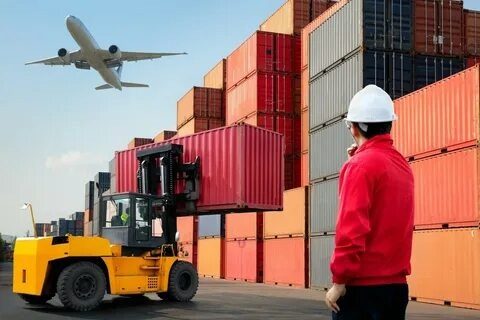
Small missteps in customs documentation or port selection can lead to major delays and losses. Here’s what importers should really know before sending shipments into the Kingdom.
The Hidden Obstacles of Importing to Saudi Arabia
Every month, hundreds of importers send goods to Saudi Arabia expecting smooth clearance—only to find their shipments stuck at the port, held at a land border, or even rejected entirely. Whether it’s electronics, consumer goods, or building materials, the issue usually isn’t the product itself—it’s the paperwork and process that surround it.
Saudi Arabia has strengthened its import control systems in recent years, with the SABER platform, SASO regulations, and tighter border inspections. While these changes are aimed at consumer safety and product quality, they’ve also made the clearance process more complex—especially for businesses unfamiliar with the system.
New importers are often surprised by the precision required for product certification, harmonized codes, and route selection. Choosing the wrong port of entry or failing to register with the SABER system can stall shipments by days, even weeks.
And while some ports are more forgiving, others—like batha border or king fahd international airport—follow stricter timelines and checks. Traders need to prepare better or risk serious financial impact.
When Delays Become a Real Business Threat
Delays at Saudi borders don’t just cause stress—they cost real money. Missed deadlines can lead to failed contracts, increased demurrage, and broken trust with customers waiting on promised deliveries. And unlike air freight, where updates can be frequent, land borders and sea ports often give little visibility once a shipment is delayed.
A few of the most common consequences importers face include:
- Daily holding fees on trucks or containers stuck at borders.
- Additional warehouse storage costs while customs clearance is pending.
- Penalty clauses in contracts when delivery is late.
- Product degradation for perishable or temperature-sensitive items.
- Damage to business reputation, especially with recurring buyers.
One critical point to remember is that customs officials in Saudi Arabia will not release goods until every document is verified. That includes product testing reports, conformity certificates, accurate HS codes, and shipping manifests. A missing or misaligned document can trigger a complete re-inspection.
And unfortunately, there’s no fast lane for inexperience.
Case Study: A Costly Setback at the Batha Border
In late 2023, a mid-sized appliance trader from Dammam, named Mahmoud, faced a preventable crisis. He was expanding his retail chain into Al Hasa and decided to import a fresh batch of smart air conditioners from Sharjah, routed via the batha border.
It was a familiar shipment type—one he had handled before. But this time, the product included smart features that reclassified it under a different technical category. Mahmoud wasn’t aware of the updated SABER registration required for this product type.
When the shipment arrived at the batha border, customs requested the product’s updated conformity certificate through SABER. Mahmoud didn’t have it—and worse, he wasn’t registered on the platform as an importer of “smart appliances.”
The result? A 9-day delay. His trucks were held in the extreme desert heat, increasing risk of product damage. He also had to hire a consultant last-minute to rush through the SABER registration and obtain the correct approvals. All in all, the incident cost over 12,000 SAR in delays, temperature damage, and reprocessing fees.
After that incident, Mahmoud restructured his import process. He started consulting a SABER-certified customs agent for every product category change and set up a pre-clearance checklist before each shipment. His last three shipments—two through king fahd international airport—were cleared within 48 hours, saving him both time and stress.
Avoiding Common Pitfalls: What Experienced Importers Do Differently
The difference between a stuck shipment and a smooth delivery often comes down to preparation. Importers who consistently clear goods without issues tend to follow a few critical best practices:
- Pre-register on SABER for all products—especially those that fall under regulated categories like electronics, toys, and kitchen equipment.
- Use a certified customs broker who specializes in your product type and understands the nuances of Saudi clearance.
- Check HS codes against Saudi Customs’ latest updates—many delays happen due to minor classification errors.
- Choose the right port of entry based on your shipment’s urgency and product sensitivity. For time-sensitive goods, king fahd international airport often offers faster clearance than land borders or sea ports.
- Confirm required testing reports with your supplier. Don’t assume a CE certification will suffice—it usually doesn’t in Saudi Arabia.
If you’re importing more than one product type in a single container, make sure each product is classified, certified, and documented separately. Mixing categories without proper labeling is a common mistake that triggers full inspections.
When Land Borders Make Sense—And When They Don’t
Land routes like the batha border can be an efficient and cost-effective way to bring goods in from the UAE, especially for larger shipments. But they come with some challenges: heavy truck traffic, unpredictable inspection times, and stricter controls on regulated items.
If your goods are durable and not extremely time-sensitive, land borders can save money. But if you’re importing electronics, pharma products, or goods linked to promotional events, using king fahd international airport or even King Abdulaziz Port in Dammam may reduce clearance time dramatically.
Experienced importers often weigh the route based on:
- Clarance predictability — Airports tend to have tighter but faster processing timelines.
- Volume and weight of cargo — Heavy cargo may be better suited for land or sea.
- Deadline sensitivity — If a retail launch or government contract depends on timing, avoid routes with known congestion.
The ole of Customs Experts in Saudi Clearance
While larger companies often have in-house logistics teams, many small-to-medium traders in Dammam and nearby areas rely on local customs consultants. These professionals aren’t just paper-pushers—they can flag regulatory changes, pre-check shipments, and even liaise directly with customs inspectors.
For example, if your shipment is held at king fahd international airport, an on-ground consultant can often escalate the case for review within hours—whereas independent traders may wait days for any update.
These experts can also:
- Help register and maintain your SABER account.
- Match product certifications to Saudi requirements.
- Translate and verify Arabic documentation when needed.
- Assist in reclassification or appeals if a shipment is misjudged.
While there is a cost involved, the savings from faster clearance, fewer errors, and reduced penalties almost always outweigh it.
Need help clearing your goods into Saudi Arabia? Whether it’s your first shipment or your fiftieth, we’ll make sure nothing gets held up at the border.
📱 966558959205