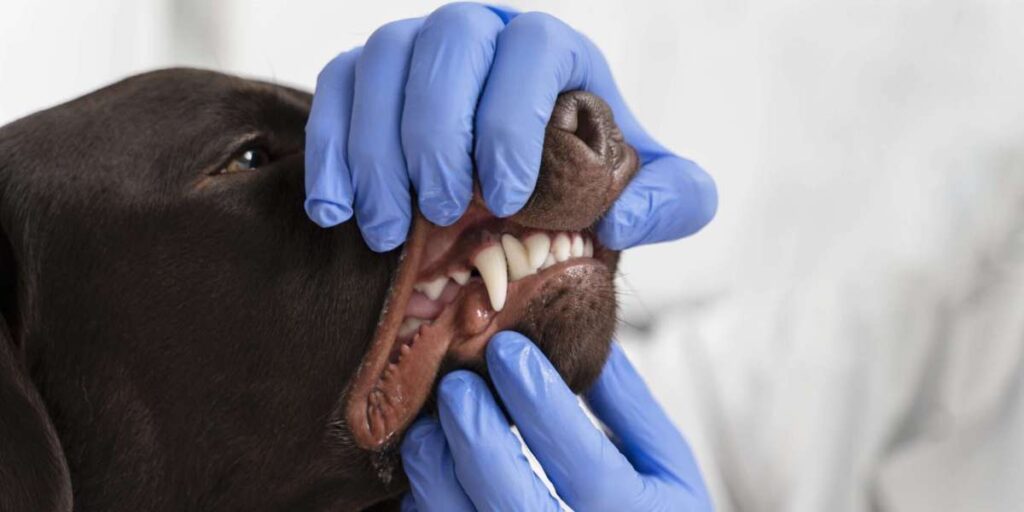
When we think about what keeps our pets happy and healthy, it’s easy to focus on the usual suspects—quality food, daily walks, and regular vet visits. But there’s one essential aspect of pet care that’s often left behind: dental health.
That’s right—your dog or cat’s teeth need attention too. Just like in humans, poor dental hygiene in pets can lead to serious health issues, from painful tooth decay to heart, kidney, and liver disease. The good news? With a little prevention and some know-how, keeping your pet’s mouth healthy doesn’t have to be complicated.
In this guide, we’ll break down the why, what, and how of pet dental care so you can keep those furry smiles in top shape for years to come.
The Real Impact of Pet Dental Disease
It might surprise you to know that by age three, up to 80% of dogs and 70% of cats show signs of periodontal disease. That means the vast majority of pets are dealing with some level of gum infection or tooth decay early in life.
It all starts with plaque, a sticky film of bacteria that forms on your pet’s teeth. If not removed regularly, it hardens into tartar, which can cause gum inflammation, tooth loss, and even systemic infections that spread to the heart or kidneys.
Want the silver lining? These issues are largely preventable with consistent care.
Signs Your Pet Might Be Suffering From Dental Problems
Your dog or cat can’t tell you when something hurts, so it’s up to us to recognize the warning signs. Here are common indicators that something might be off with your pet’s dental health:
- Persistent bad breath
- Yellow or brown tartar buildup
- Bleeding or swollen gums
- Drooling more than usual
- Chewing on one side or avoiding food
- Loose or missing teeth
If you notice any of these red flags, it’s time to book a veterinary dental checkup. Early treatment can prevent more serious issues—and save you money in the long run.
Easy Prevention: How to Keep Your Pet’s Teeth Clean
Maintaining your pet’s oral hygiene doesn’t require a degree in veterinary medicine. Here are a few simple ways to keep their teeth and gums healthy:
1. Brush Their Teeth Regularly
Aim to brush your pet’s teeth at least a few times a week. Use a toothbrush and toothpaste made specifically for pets—never use human toothpaste.
2. Use Dental Chews and Toys
There are plenty of dental chews and toys on the market that help reduce plaque buildup while your pet plays or snacks.
3. Choose Dental-Supportive Food
Some pet foods are designed to support oral health by minimizing tartar accumulation. Your vet can recommend options tailored to your pet’s needs.
4. Schedule Regular Professional Cleanings
Even with regular brushing, a professional dog dental cleaning is crucial. A veterinarian will thoroughly clean below the gumline and check for signs of deeper issues.
You can learn more about what professional pet dental services involve on Kainer Veterinary Hospital’s dentistry service page.
Why Professional Dental Cleanings Are Worth It
Brushing helps, but it only gets you so far. Veterinary dental cleanings go deeper—literally. Under anesthesia, your vet can scale and polish your pet’s teeth, remove hardened tartar, and spot potential issues with dental X-rays.
This thorough cleaning not only helps prevent periodontal disease, but can also catch conditions like abscesses or bone loss before they become painful (or expensive) problems.
If it’s been more than a year since your pet’s last dental cleaning, it’s definitely time for a checkup. Kainer Veterinary Hospital offers comprehensive dental exams and treatments to keep your pet healthy from the inside out.
The Link Between Oral Health and Overall Wellness
It’s not just about teeth. Poor dental hygiene in pets has been linked to serious conditions like:
- Heart disease (oral bacteria can travel to the heart)
- Kidney failure
- Liver complications
In short, clean teeth = a healthier pet. Prioritizing your pet’s oral care is one of the simplest ways to support their long-term well-being.
Your Pet Dental Care Checklist
To recap, here’s your go-to list for maintaining your pet’s dental health:
- Brush their teeth 2–3 times a week
- Provide dental chews and toys
- Feed a vet-approved, dental-supportive diet
- Schedule professional cleanings annually
Being consistent is key. Just a few minutes a week can make a world of difference for your pet’s health and comfort.
Time to Book That Dental Exam?
If your pet’s breath is smelling funky or their teeth are starting to look less than pearly white, don’t wait. Dental issues can sneak up quickly—but they’re also very treatable when caught early.
Reach out to Kainer Veterinary Hospital to schedule your pet’s dental exam. Their experienced team offers top-notch veterinary dental services designed to prevent, treat, and manage dental disease before it becomes a problem.