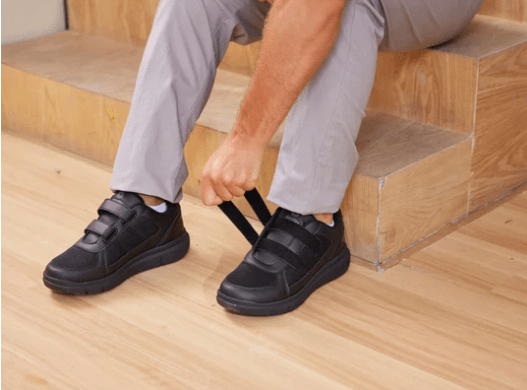
For individuals with diabetes, proper foot care is essential in preventing complications like ulcers, infections, or even amputations. One of the key elements of foot health for those with diabetes is wearing the right footwear. Diabetic safety shoes are specifically designed to reduce the risk of foot injuries and provide comfort for individuals suffering from diabetes-related foot issues, such as neuropathy, poor circulation, and foot deformities.
What Are Diabetic Safety Shoes?
Diabetic safety shoes are specialized footwear made to provide extra protection, comfort, and support to those with diabetes. They focus on reducing pressure points, preventing foot ulcers, and improving circulation to promote overall foot health. Unlike traditional shoes, diabetic safety shoes are designed to address specific challenges posed by the condition, such as reduced sensation in the feet, poor blood flow, and deformities like bunions or hammertoes.
Key Features of Diabetic Safety Shoes
-
Extra Depth and Width
One of the most important aspects of diabetic safety shoes is their ability to accommodate a wide range of foot shapes. Shoes designed for diabetics often come in extra widths (up to 6E or more) to ensure that the shoes fit comfortably without constricting blood flow. This extra room helps prevent pressure points that can lead to blisters or sores. -
Cushioned Insoles
Insoles in diabetic safety shoes are made of soft, supportive materials like memory foam or OrthoLite®, which help to cushion the feet and reduce impact when walking. These insoles are often removable, allowing for customization or the option to replace them with orthotics if needed. -
Arch Support and Stability
Good arch support is crucial for people with diabetes, especially those with neuropathy or foot deformities. Diabetic shoes are designed with ergonomic arch support, often using technologies like ErgoFit™ or Comfort+™ to provide stability, enhance posture, and relieve pressure on the feet. -
Breathable and Stretchable Materials
Diabetic shoes are made with breathable, moisture-wicking materials that help prevent foot infections, a common concern for diabetics. Materials like mesh, spandex, and soft leather allow air circulation and reduce the buildup of sweat, which can lead to fungal infections. -
Protection Against Impact
A critical feature of diabetic safety shoes is their ability to protect the feet from impact and injury. The shoes often come with padded collars and soft linings that help reduce friction, minimizing the risk of developing blisters or ulcers. Additionally, the outsoles of these shoes are made from slip-resistant, durable rubber to help avoid slips and falls. -
Adjustable Closures
Many diabetic safety shoes come with adjustable closures such as Velcro straps or elastic laces, allowing for a customized fit. This is particularly important for individuals who have swelling or high insteps. The adjustable nature of these shoes ensures that they can fit comfortably without putting pressure on sensitive areas. -
Specialized Heel Cups
A U-shaped heel cup is another key feature in diabetic shoes. It helps stabilize the heel, providing relief for heel pain and preventing unwanted movement within the shoe, which could lead to sores or irritation.
Why Are Diabetic Safety Shoes Important?
Diabetic safety shoes are more than just a luxury—they are a necessity for individuals managing diabetes. Wearing the right pair of shoes can help:
- Prevent Foot Ulcers: Foot ulcers are a common and serious complication of diabetes. The shoes reduce the pressure that can lead to these painful sores.
- Enhance Circulation: Properly fitting shoes that don’t restrict circulation can help improve blood flow, which is essential for healing and overall foot health.
- Minimize Foot Pain: Diabetic neuropathy can cause numbness or pain in the feet. Diabetic shoes with cushioning and arch support can provide relief and reduce discomfort.
- Reduce the Risk of Infection: People with diabetes are more prone to foot infections. The extra protection, moisture-wicking materials, and comfortable fit reduce the chances of skin breakdown that could lead to infections.
How to Choose the Right Diabetic Safety Shoes
Choosing the right diabetic shoes is vital for your foot health. Here are some tips to keep in mind:
- Get a Professional Fitting: Proper fitting is key. Visit a store that specializes in diabetic footwear, where you can get fitted and assess different options for comfort and support.
- Look for the Right Features: Consider your specific foot issues. For example, if you have swelling or high arches, look for shoes with adjustable straps and good arch support.
- Focus on Comfort: Your diabetic shoes should feel comfortable the moment you put them on. Look for shoes with cushioned insoles, soft linings, and materials that provide flexibility and breathability.
- Check for Durability: Diabetic shoes should be made from durable materials that can stand up to daily wear. A high-quality, slip-resistant outsole is crucial for maintaining traction and preventing falls.
Popular Brands and Models
Some popular brands and models of diabetic safety shoes include:
- FitVille EasyTop Diabetic Shoes: With features like adjustable Velcro straps, cushioned collars, and dual-density EVA midsoles, FitVille offers a wide range of diabetic-friendly footwear for both men and women.
- Orthofeet: Known for their specialized diabetic shoes, Orthofeet provides shoes that prioritize comfort, arch support, and cushioning, with models designed for both walking and casual use.
- Dr. Comfort: Dr. Comfort shoes are designed with diabetic foot issues in mind, offering soft, seamless interiors and extra-depth design for people with sensitive feet.
Conclusion
Diabetic safety shoes are an essential tool in maintaining foot health and preventing complications for individuals with diabetes. By providing extra width, cushioning, arch support, and protection from impact, these shoes ensure comfort and safety for those with neuropathy, poor circulation, or foot deformities. When choosing diabetic shoes, focus on finding a pair that fits well, feels comfortable, and meets your specific foot care needs. With the right footwear, managing diabetes can become a little easier, allowing you to focus on enjoying life without worrying about foot health.