Selecting the right heat pump for your home can make the difference between year-round comfort and constant frustration. As energy costs continue to rise and environmental concerns take center stage, heat pumps have emerged as a smart, efficient solution for both heating and cooling.
These versatile systems can reduce your energy bills by up to 50% compared to traditional HVAC systems while significantly lowering your carbon footprint. Yet with various types, sizes, and efficiency ratings available, making the right choice requires careful consideration of multiple factors.
A properly sized and installed heat pump will maintain consistent temperatures throughout your home, operate quietly, and provide reliable service for years to come. Conversely, an incorrectly chosen system can lead to higher energy bills, frequent repairs, and uneven heating or cooling.
Heat Pump Types
Three main categories of heat pumps serve residential needs, each with distinct advantages:
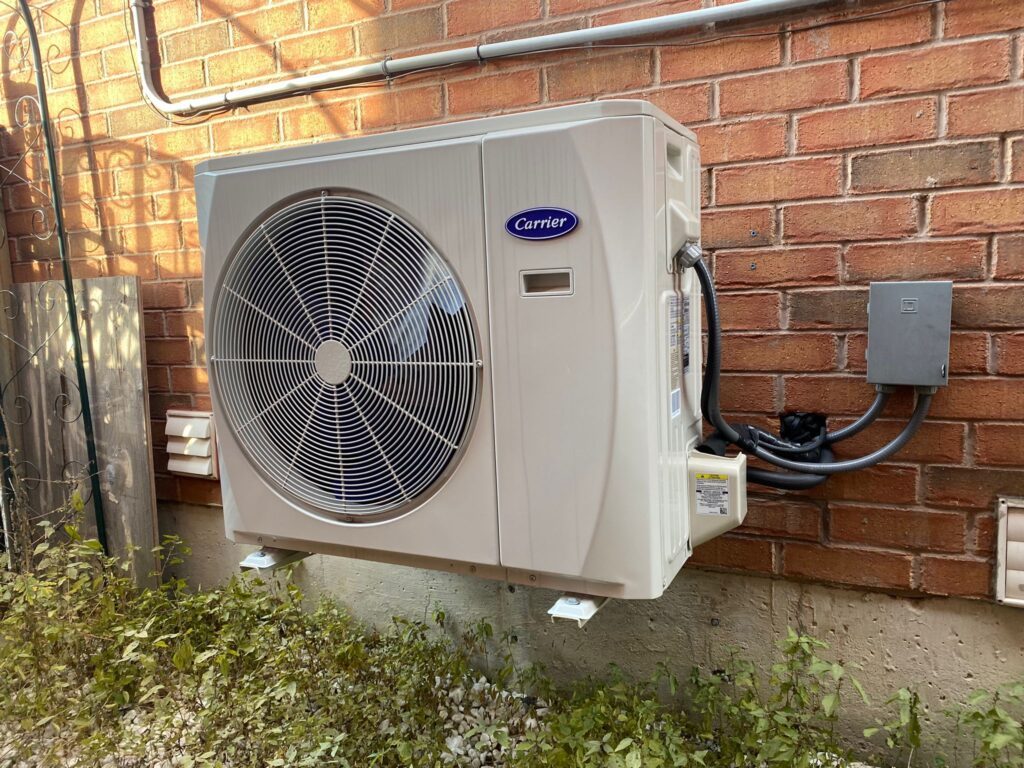
Air-source heat pumps transfer heat between your home and the outside air. These systems are the most common choice for residential properties due to their relatively simple installation and lower upfront costs. They work efficiently in moderate climates and can effectively heat homes even when outdoor temperatures drop to around 25°F.
Ground-source heat pumps, also known as geothermal systems, extract heat from the ground through buried pipes. While they require more extensive heat pump installation, they offer exceptional efficiency because underground temperatures remain stable year-round. These systems typically cost more upfront but provide the highest long-term energy savings.
Water-source heat pumps operate similarly to ground-source systems but use a nearby water body as their heat exchange medium. Though less common, they can be highly efficient for properties with access to suitable water sources.
Assessing Your Climate
Your local climate plays a crucial role in determining the most appropriate heat pump type and size. In regions with moderate temperatures, standard air-source heat pumps generally provide excellent performance. However, homes in areas with extreme temperatures require specialized systems:
For cold climates:
- Look for cold-climate heat pumps rated for operation below 0°F
- Consider dual-fuel systems that combine a heat pump with a backup heating source
- Pay attention to the unit’s low-temperature heating capacity
For hot climates:
- Focus on systems with high SEER ratings
- Choose models with advanced humidity control features
- Ensure proper sizing to handle peak cooling loads
Determining the Correct Size
A properly sized heat pump ensures optimal performance and efficiency. Professional heat pump installation begins with a Manual J load calculation, which considers:
- Total square footage
- Ceiling height and home layout
- Window quantity and quality
- Insulation levels
- Local climate data
- Number of occupants
- Heat-generating appliances
As a rough guide, homes typically require:
- 1 ton (12,000 BTUs) per 500-600 square feet in moderate climates
- Adjustments of ±15% based on specific factors like insulation quality
- Additional capacity for extreme climates
Considering Energy Efficiency Ratings
Understanding efficiency ratings helps you balance initial costs against long-term savings. Two primary metrics determine heat pump efficiency:
The SEER (Seasonal Energy Efficiency Ratio) rating measures cooling efficiency:
- The minimum required SEER varies by region
- Modern units range from 14 to 26 SEER
- Higher ratings indicate better efficiency but come with increased costs
- Most homeowners find optimal value in the 16-18 SEER range
The HSPF (Heating Seasonal Performance Factor) measures heating efficiency:
- Current systems range from 8.2 to 13.0 HSPF
- Higher ratings deliver greater energy savings
- Cold climates benefit most from higher HSPF ratings
A system’s optimal efficiency rating depends on your climate, utility rates, and usage patterns. While higher-rated units cost more initially, they often pay for themselves through reduced energy bills.
Evaluating Your Home’s Insulation
Even the most efficient heat pump can’t perform optimally in a poorly insulated home. Before finalizing your heat pump selection, assess these crucial areas:
Attic Insulation:
- Should meet regional R-value requirements
- Proper ventilation must complement insulation
- Consider upgrading if more than 10 years old
Wall Insulation:
- Check for gaps and settling
- Evaluate exterior wall R-values
- Address any moisture issues
Air Sealing:
- Inspect windows and doors for drafts
- Check for gaps around pipes and vents
- Seal any identified leaks before installation
Installation Requirements
Proper installation significantly impacts heat pump performance. Key considerations include:
Indoor Unit Placement:
- Central location for optimal air distribution
- Adequate clearance for maintenance
- Proper drainage access
- Structural support requirements
Outdoor Unit Location:
- Level, stable surface
- Good airflow clearance
- Protection from extreme elements
- Minimal noise impact on living spaces
Additional Factors:
- Electrical system capacity
- Ductwork condition and sizing
- Local building codes and permits
- Professional assessment requirements
Budgeting for Your Heat Pump
Creating a realistic budget involves more than just equipment costs:
Initial Investment:
- Equipment costs ($4,500-$20,000+)
- Installation labor ($2,000-$6,000)
- Necessary home modifications
- Permit fees and inspections
Long-term Considerations:
- Expected energy savings
- Maintenance requirements
- Warranty coverage
- System lifespan (15-20 years)
Conclusion
Choosing the right heat pump represents a significant investment in your home’s comfort and efficiency. While the selection process may seem complex, taking time to evaluate each factor ensures optimal performance and value.
For expert guidance and professional installation, contact Accurate Baker Elman. Our experienced technicians will help you select and install the perfect heat pump for your specific needs.
Frequently Asked Questions
Q: How long does a heat pump typically last?
A: With proper maintenance, residential heat pumps typically last 15-20 years.
Q: Can a heat pump work in very cold climates?
A: Yes, modern cold-climate heat pumps can operate efficiently even in sub-zero temperatures.
Q: How much maintenance does a heat pump require?
A: Annual professional maintenance and regular filter changes keep systems running efficiently.