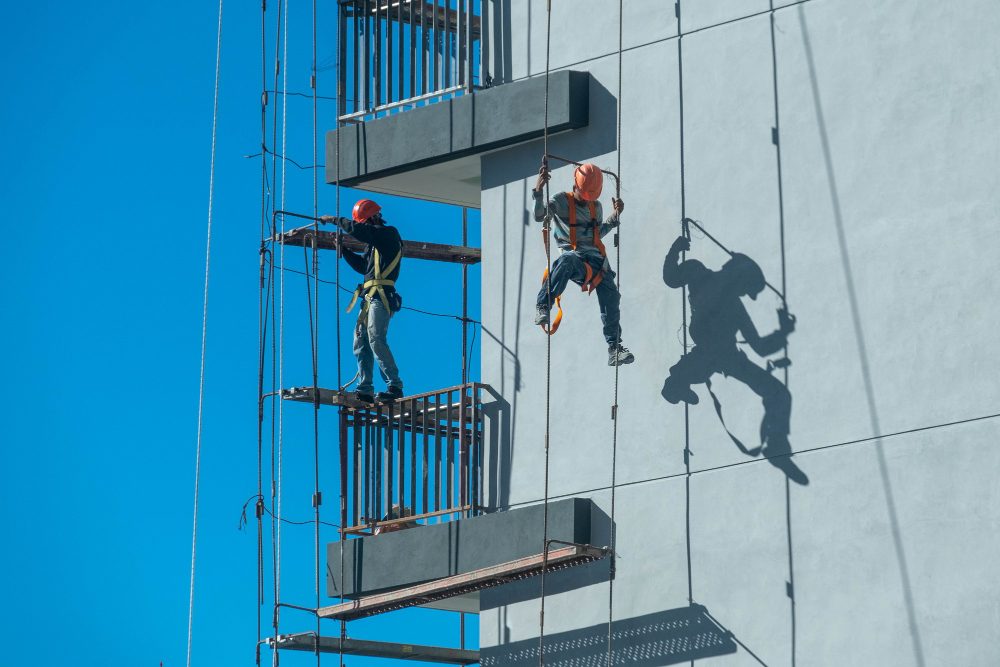
Have you ever stopped to think about what keeps construction workers safe when they’re working several storeys up? What happens when someone takes a wrong step on scaffolding or loses their balance near an unprotected edge? And more importantly, what can your construction business do to prevent these terrifying scenarios from becoming reality?
Working at heights remains one of the most dangerous aspects of the Australian construction industry. Every year, falls from elevation account for a significant portion of workplace fatalities and serious injuries across the country. It’s a sobering reality that makes height safety solutions not just important, but absolutely critical for anyone operating in this sector. These systems, equipment, and training programs are specifically designed to protect workers when they’re performing tasks above ground level.
In this article, we’ll explore five essential benefits of implementing proper height safety solutions on your construction sites. From preventing devastating accidents to boosting your bottom line, you’ll discover why investing in these safety measures is one of the smartest decisions you can make. We’ll also look at how to choose the right equipment and work with professional installers to create a safer work environment for everyone.
Preventing Fatal Falls and Serious Injuries
How Do Height Safety Systems Protect Construction Workers?
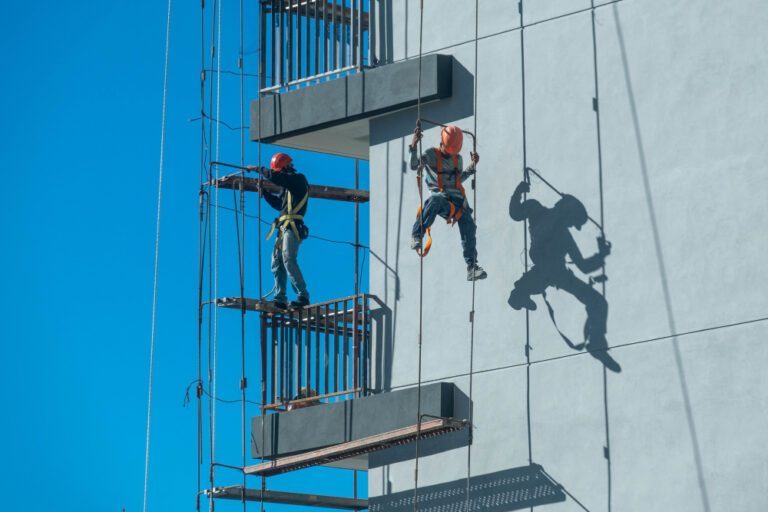
Height safety systems work as your last line of defence against gravity. These include guardrails, safety nets, personal fall arrest systems, and anchor points that either prevent falls from occurring or stop workers before they hit the ground. When properly installed and used correctly, these systems can mean the difference between a minor scare and a life-changing injury.
Think about it this way: a worker secured to a reliable anchor point with a properly fitted harness can focus on their job without constantly worrying about their footing. The equipment catches them if something goes wrong, giving them precious seconds that could save their life.
The Real Cost of Falls in the Australian Construction Industry
Falls from height consistently rank among the leading causes of workplace deaths in Australia. Beyond the devastating human toll, these incidents carry enormous financial implications. Medical expenses, workers’ compensation claims, legal fees, and lost productivity can run into hundreds of thousands of dollars per incident.
But let’s be honest no amount of money can replace a life or restore someone’s ability to walk. That’s why prevention through proper height safety solutions isn’t just good business practice; it’s a moral obligation.
What Are the Most Common Causes of Falls on Construction Sites?
Most falls happen due to unprotected edges, unstable working surfaces, or improper use of ladders and scaffolding. Human error plays a role too fatigue, rushing to meet deadlines, or simply not following established procedures. Quality height safety solutions address all these factors by creating physical barriers and providing workers with the equipment they need to work safely.
Ensuring Compliance with Australian Work Health and Safety Regulations
What Height Safety Requirements Must Australian Construction Sites Meet?
Australian construction sites must comply with strict Work Health and Safety (WHS) regulations regarding work at heights. Generally, any work performed two metres or more above ground level requires specific safety measures. These include risk assessments, appropriate control measures, and proper documentation.
The regulations aren’t suggestions they’re legal requirements that carry serious consequences for non-compliance. Every state and territory has its own regulator, but the fundamental requirements remain consistent across the country.
How Do Height Safety Solutions Help You Avoid Hefty Fines?
Failing to provide adequate height safety measures can result in significant penalties. We’re talking fines that can reach millions of dollars for serious breaches, plus potential imprisonment for individuals who fail in their duty of care. By implementing comprehensive height safety solutions, you’re essentially protecting yourself from these financial and legal risks.
Plus, having proper systems in place demonstrates due diligence. If an incident does occur, you can show that you took reasonable steps to prevent it which can significantly impact any legal proceedings.
Understanding Safe Work Australia Guidelines for Working at Heights
Safe Work Australia provides detailed guidance on managing risks associated with working at heights. Their hierarchy of controls recommends eliminating the risk first, then substituting with safer alternatives, isolating hazards, using engineering controls, implementing administrative controls, and finally, providing personal protective equipment. Height safety solutions help you work through this hierarchy systematically.
Boosting Worker Confidence and Productivity
Why Do Workers Perform Better with Proper Safety Equipment?
Here’s something that might surprise you: workers who feel safe actually work better. When your team knows they’re protected by reliable height safety equipment, they’re not distracted by fear or anxiety. They can concentrate fully on the task at hand, which leads to higher quality work and fewer mistakes.
There’s also the psychological aspect. Workers who see their employer investing in their safety feel valued and respected. This builds loyalty and improves morale across the entire team.
How Does Height Safety Training Improve On-Site Efficiency?
Training doesn’t just teach workers how to use equipment it helps them understand why safety matters and how to identify potential hazards before they become problems. Well-trained workers move more confidently, make better decisions, and can often spot issues that less experienced eyes might miss.
This knowledge translates directly into efficiency. Fewer near-misses mean fewer work stoppages, and a team that understands safety protocols can set up and work more quickly than one that’s constantly second-guessing itself.
Creating a Culture of Safety on Construction Projects
When height safety becomes embedded in your company culture, everyone benefits. New workers learn from experienced colleagues, safety conversations happen naturally, and the whole team takes ownership of keeping each other protected. This cultural shift doesn’t happen overnight, but quality height safety solutions provide the foundation.
Reducing Long-Term Business Costs and Liability
What Is the ROI of Investing in Height Safety Equipment?
Let’s talk numbers. Quality height safety equipment might seem expensive upfront, but compare that cost to a single workplace accident. When you factor in medical expenses, compensation claims, investigation costs, legal fees, and potential fines, the investment in prevention looks incredibly sensible.
Many businesses find that their height safety equipment pays for itself within the first year—not through avoiding disasters, but through improved productivity and reduced insurance costs.
How Do Safety Solutions Lower Insurance Premiums?
Insurance companies love businesses that take safety seriously. When you can demonstrate comprehensive height safety measures, proper training records, and a strong safety culture, you’re essentially telling insurers that you’re a lower risk. This often translates into reduced premiums and better policy terms.
Minimising Downtime from Workplace Accidents
Every accident causes disruption. Even minor incidents require investigation, documentation, and often result in lost work hours. Serious accidents can shut down entire sites for extended periods. By preventing these incidents through proper height safety solutions, you keep your projects on schedule and your team working.
Protecting Your Reputation and Winning More Contracts
Why Do Clients Prefer Construction Companies with Strong Safety Records?
In today’s market, clients do their homework. They check safety records, ask about training programs, and want to see evidence of proper safety systems. A company with a poor safety record is a liability both literally and figuratively. On the other hand, a strong safety record becomes a genuine competitive advantage.
How Does Height Safety Certification Give You a Competitive Edge?
When you’re bidding for contracts, having certified height safety systems and trained workers sets you apart. It shows potential clients that you take safety seriously and that they won’t be exposing themselves to unnecessary risks by working with you.
Building Trust Through Visible Safety Commitments
Safety isn’t just about equipment it’s about demonstrating commitment. When clients visit your sites and see proper guardrails, workers in appropriate PPE, and clear safety signage, they gain confidence in your professionalism. This trust leads to repeat business and referrals.
Choosing the Right Height Safety Solutions for Your Site
What Types of Height Safety Equipment Are Available?
The range of height safety equipment is extensive. You’ve got permanent solutions like roof anchor points, guardrail systems, and access ladders. There are also temporary options including scaffolding, safety nets, and portable anchor devices. Personal protective equipment encompasses harnesses, lanyards, and self-retracting lifelines.
How Do You Determine Which Safety Systems You Need?
Every site is different, so your height safety needs will vary. Start with a thorough risk assessment that identifies all areas where workers might be exposed to fall hazards. Consider the frequency of access, the type of work being performed, and the number of workers involved.
Working with Professional Height Safety Installers
Don’t try to figure everything out yourself. Professional height safety installers bring expertise, experience, and knowledge of current regulations. They can assess your specific needs, recommend appropriate solutions, and ensure everything is installed correctly and certified.
Taking the Next Step Towards a Safer Worksite
So there you have it five compelling reasons why height safety solutions deserve your attention and investment. From protecting lives and ensuring compliance to boosting productivity and winning more contracts, the benefits extend far beyond simply avoiding accidents.
The construction industry will always involve some level of risk, but that doesn’t mean we should accept preventable tragedies. By implementing comprehensive height safety measures, you’re taking concrete steps to protect your workers, your business, and your future. The equipment, training, and systems available today are more effective and accessible than ever before.